


How Crypto Cards Work: From Wallet Balance to Card Settlement
Crypto cards let users spend cryptocurrencies and stablecoins through familiar card networks, but the mechanics behind each payment are more complex than a standard debit card transaction.

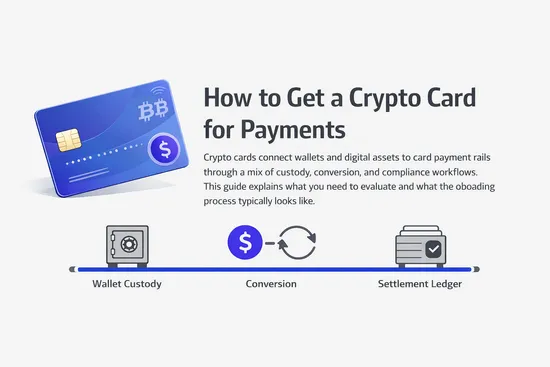
At the surface, crypto cards behave like traditional debit or prepaid cards. You tap, swipe, or pay online, and the transaction is authorized through Visa or Mastercard. Under the hood, however, crypto cards rely on a mix of digital wallets, conversion layers, and settlement infrastructure to bridge crypto assets with fiat-based payment systems.
From Wallet Balance to Spendable Funds
A crypto card is typically linked to a balance held within a crypto platform or wallet. This balance may consist of fiat currency, stablecoins, or other cryptocurrencies, depending on the provider. Unlike credit cards, crypto cards usually do not involve borrowing—you spend funds you already hold.
When a balance is held in stablecoins, spending can be more predictable, as the value remains relatively stable. If the balance consists of volatile crypto assets, the platform may convert funds automatically before or during a transaction to reduce exposure to price fluctuations.
What Happens at the Moment of Payment
When you make a purchase, the card network first checks whether sufficient funds are available. The crypto card provider then authorizes the transaction, often triggering a conversion step if the underlying balance is not already denominated in fiat.
Depending on the card’s design, conversion from crypto or stablecoins to fiat may occur instantly at checkout or earlier when funds are loaded or rebalanced. This timing affects fees, exchange rates, and how transparent the cost of each transaction is to the user.
Settlement Through Card Networks
Although crypto assets may be involved behind the scenes, final settlement still happens through traditional card payment rails. Merchants receive fiat currency, just as they would from a standard debit card transaction. The crypto card issuer or its banking partner handles reconciliation with the card network.
This structure allows crypto cards to be accepted anywhere Visa or Mastercard is supported, while shielding merchants from direct exposure to crypto volatility or blockchain mechanics.
Custodial and Non-Custodial Designs
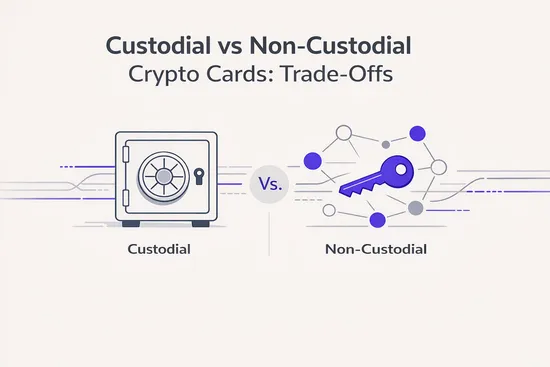
Crypto cards differ in how funds are controlled. Custodial cards require users to hold balances within the issuer’s platform, which simplifies authorization and settlement but places custody with the provider. Non-custodial cards, by contrast, connect to external wallets and may rely on smart contracts or delegated signing to authorize spending.
These design choices affect security assumptions, recovery options, and regulatory requirements. In practice, custodial cards tend to offer broader acceptance and smoother payments, while non-custodial options prioritize user control.
Why Fees and Reliability Vary
Because crypto cards sit between two financial systems, fees can arise at multiple points. Conversion spreads, foreign exchange fees, ATM charges, and card maintenance costs all influence the real cost of using a card. Transaction reliability can also vary based on how authorization and settlement are implemented.
Understanding where conversion happens and which assets are used for settlement helps explain why some crypto cards are more predictable for everyday spending than others.
Crypto Cards as a Payments Bridge
Crypto cards act as a bridge between on-chain value and off-chain commerce. By combining wallets, stablecoins, and traditional payment rails, they make digital assets usable in everyday scenarios without requiring merchants to change how they accept payments.
As stablecoins and crypto payment infrastructure evolve, the mechanics behind crypto cards are likely to become more efficient, transparent, and better integrated with both blockchain and traditional financial systems.